
The fascinating journey through the history of gambling and its cultural impact
The Origins of Gambling
The history of gambling dates back thousands of years, with evidence found in ancient civilizations such as China, Egypt, and Rome. Early forms of gambling included the use of dice and betting on the outcomes of games or events. These activities were not merely pastimes; they often held religious or social significance, serving as a means to bring communities together. Today, many players prefer the convenience of online gaming, with some even considering it the best online casino in south africa real money option for their entertainment needs.
As societies evolved, so did gambling. The invention of playing cards in the 9th century in China marked a significant turning point, leading to the development of various card games that spread across the world. This evolution laid the foundation for the modern gambling landscape, introducing elements of skill and strategy that enhanced the gaming experience.
The Rise of Casinos
The concept of casinos as we know them began to take shape in the 17th century in Italy. The first official casino, the Ridotto, opened in Venice in 1638, providing a controlled environment for gambling. This establishment catered to the elite, solidifying the connection between gambling and social status. As the casino culture spread across Europe, it became synonymous with luxury and entertainment.
By the 19th century, casinos began to emerge in cities like Monte Carlo, attracting visitors from around the globe. This period also saw the introduction of various games that are now considered classic, such as roulette and blackjack. The rise of casinos transformed gambling into a significant cultural phenomenon, influencing art, literature, and social behaviors.
The Impact of Gambling on Society
Gambling has always had a profound impact on society, influencing economic structures and social norms. While it can be a source of entertainment and revenue, it has also led to social issues, such as addiction and financial hardship. Governments have often sought to regulate gambling to protect citizens while still reaping the economic benefits through taxation and licensing.
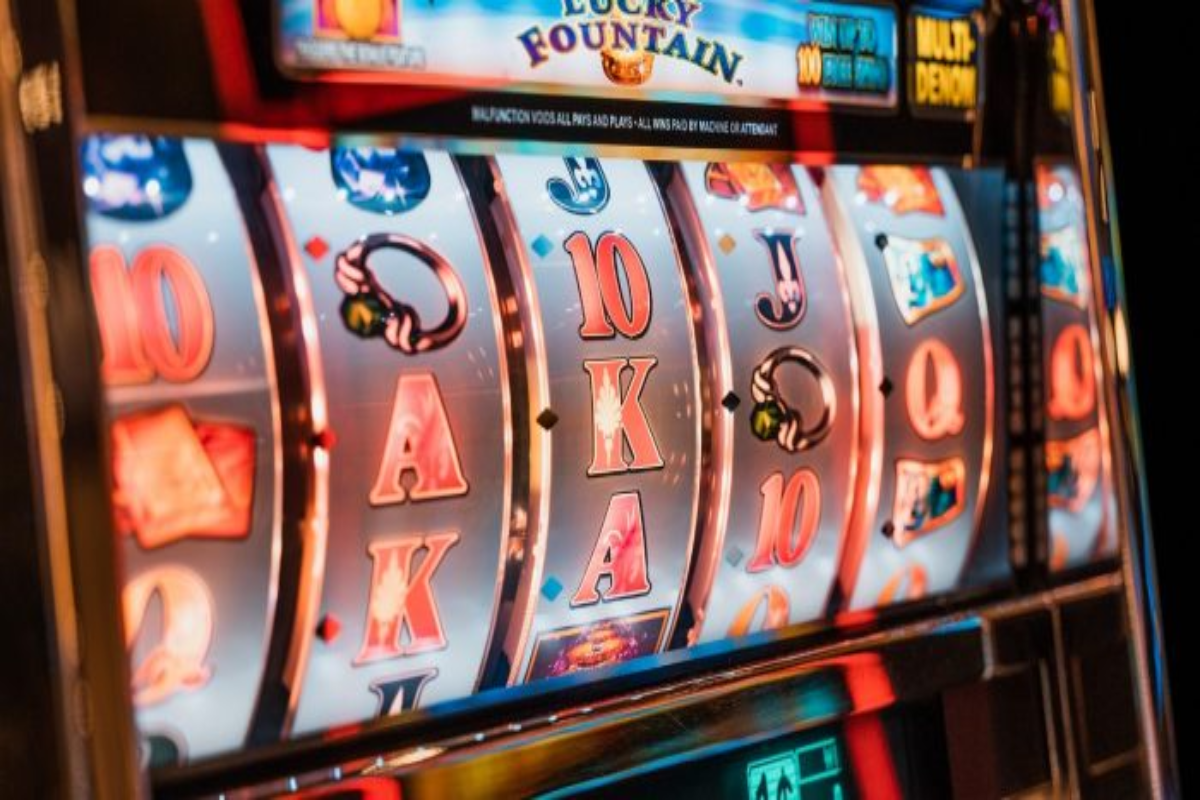
Moreover, gambling has played a role in shaping cultural identity in many regions. For example, in places like Las Vegas, the casino industry has become a cornerstone of the economy and a symbol of American culture. The flashy lights and vibrant atmosphere of casinos serve as a backdrop for broader conversations about morality, chance, and the human experience.
The Digital Transformation of Gambling
The advent of the internet has dramatically changed the gambling landscape. Online casinos have gained immense popularity, providing players with the convenience of gaming from their homes. This shift has made gambling more accessible but has also raised concerns regarding regulation and responsible gaming practices.
Online platforms have innovated the gambling experience, offering a wider variety of games and live dealer options that mimic the physical casino environment. This technological evolution has blurred the lines between traditional and online gambling, leading to debates about the future of casinos and the societal implications of digital gaming.
Exploring Our Website for Gaming Insights
Our website serves as a comprehensive resource for enthusiasts looking to explore the world of gambling, particularly in the context of online versus brick-and-mortar casinos. We provide detailed reviews and insights into various platforms, ensuring that players can make informed decisions based on their gaming preferences and safety.
By focusing on aspects like game variety, bonuses, and user experience, our platform aims to guide players through their gambling journey. Whether you’re a seasoned gambler or a novice, we offer the latest updates and expert recommendations to enhance your gaming experience and help you navigate the evolving landscape of gambling.